Learning About Roof Types (9 Popular Styles for 2026)
Choosing the right roof is more than a style decision — it affects energy efficiency, durability, and property value. With so many roof types available in 2026, homeowners must consider structure, climate, and long-term performance. If you live in Arlington and surrounding areas, exploring designs that handle seasonal weather well is especially important. Whether you’re building new or replacing an existing system, it helps to explore the most popular options first, especially when working with professionals who understand the ins and outs of modern systems.
- A breakdown of the 9 most common roof styles
- Benefits and design features of each type
- Tips for choosing the best roof based on your home and climate
- How shape affects drainage, ventilation, and insulation
Why Understanding Roof Types Matters
The style of your roof impacts far more than just curb appeal. It plays a key role in long-term comfort, safety, and energy savings. Knowing the different types can help you make a better investment.
- Improved Energy Efficiency: Some styles allow better ventilation and insulation, cutting HVAC usage.
- Better Drainage Control: Certain designs shed water and snow more efficiently, reducing leak risks.
- Weather Compatibility: Matching the roof to your local climate ensures longer lifespan and fewer repairs.
- Maintenance Requirements: Some types need regular upkeep, while others are more hands-off.
- Home Design Match: The shape and slope should suit your home’s architecture for best results.
9 Popular Roof Types and What Makes Each Unique
Explore the most common roof shapes used in Arlington and surrounding areas. Each has pros, cons, and performance differences.
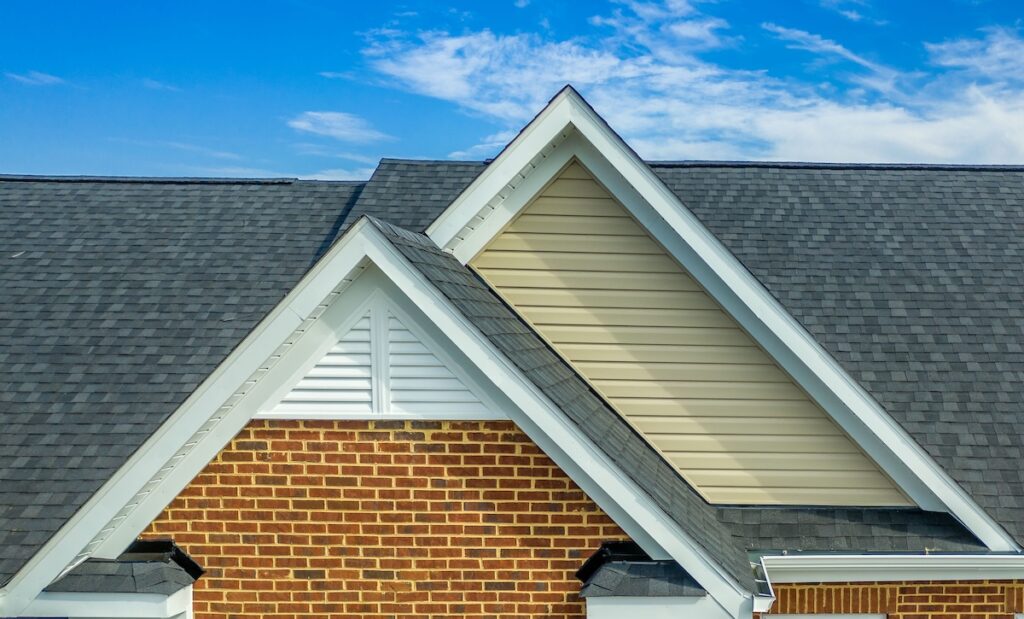
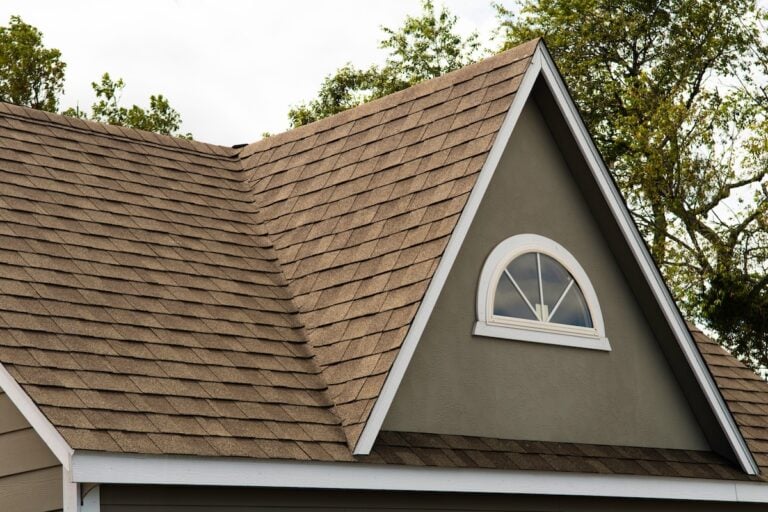
1. Gable Roof
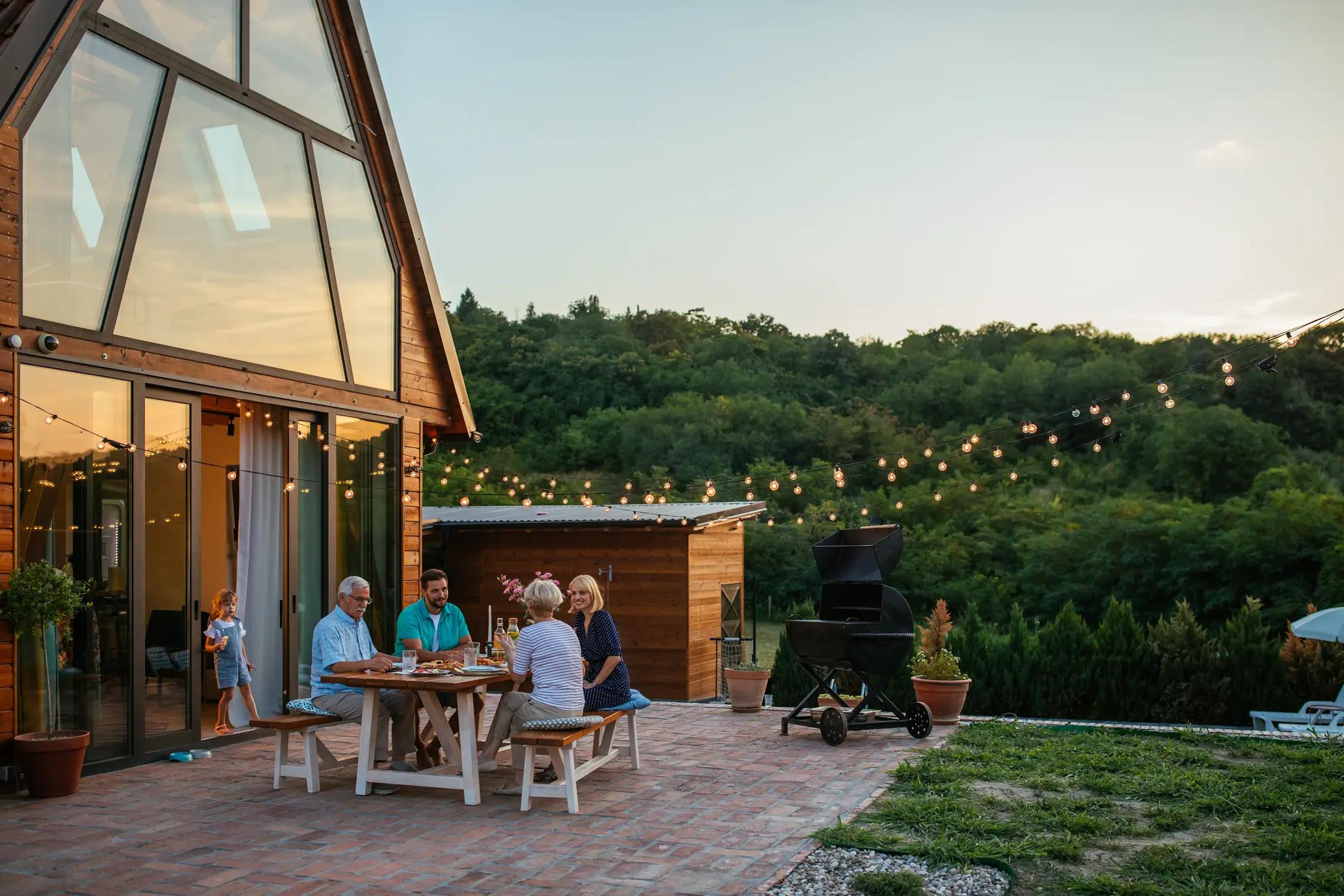
This triangular style is one of the most popular in the U.S., known for its simple construction and strong water runoff.
- Performs well in areas with heavy rain or snow
- Allows space for attic ventilation and vaulted ceilings
- Affordable and easy to install
2. Hip Roof
Hip roofs slope on all four sides, creating a more aerodynamic shape.
- Provides excellent wind resistance, ideal for storm-prone regions
- Slightly more complex and costly than gables
- Works well with a wide variety of home styles
3. Flat Roof
Flat roofs aren’t truly flat but have a slight pitch for drainage. They’re commonly used on commercial properties and modern homes.
- Allows for rooftop decks, solar panels, or HVAC systems
- Needs high-quality waterproofing to prevent pooling
- Minimal attic space but sleek, contemporary design
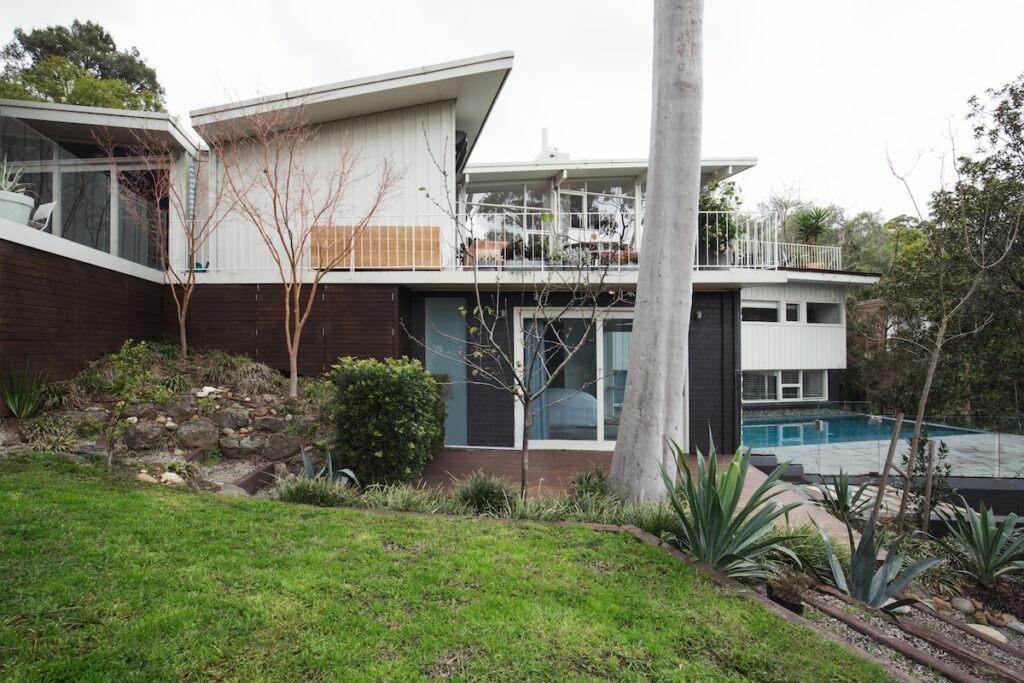
4. Shed Roof
A single sloping plane, often used on additions or small modern homes.
- Ideal for homes with limited space
- Easy water runoff and simple framing
- Popular for sustainable homes with solar panel systems
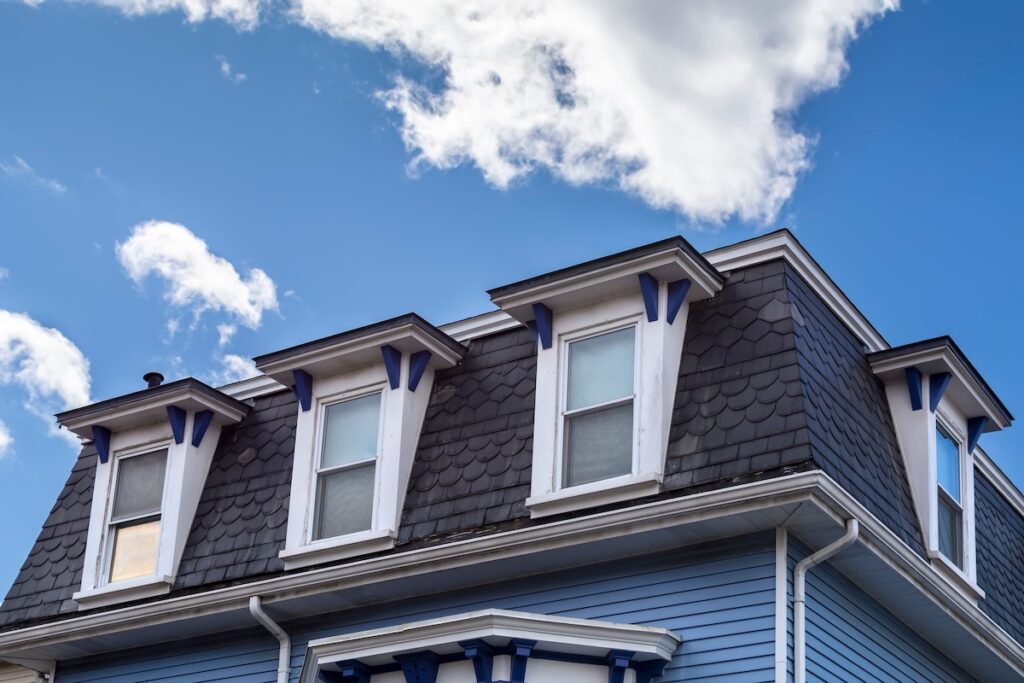
5. Mansard Roof
A four-sided style with two slopes on each side — the lower slope is steeper and often dormered.
- Maximizes living space in upper floors
- Elegant appearance with European influence
- Requires more complex construction and materials
6. Gambrel Roof
Commonly seen on barns and Colonial homes, gambrels have two slopes on each side like a mansard but only two sides.
- Offers spacious attics or lofts
- Less material needed than mansard roofs
- Not ideal for high-wind areas without reinforcement
7. Butterfly Roof
This V-shaped roof has two inward slopes that resemble wings.
- Creates a dramatic modern look
- Excellent for water collection systems
- Needs precise waterproofing to avoid drainage issues
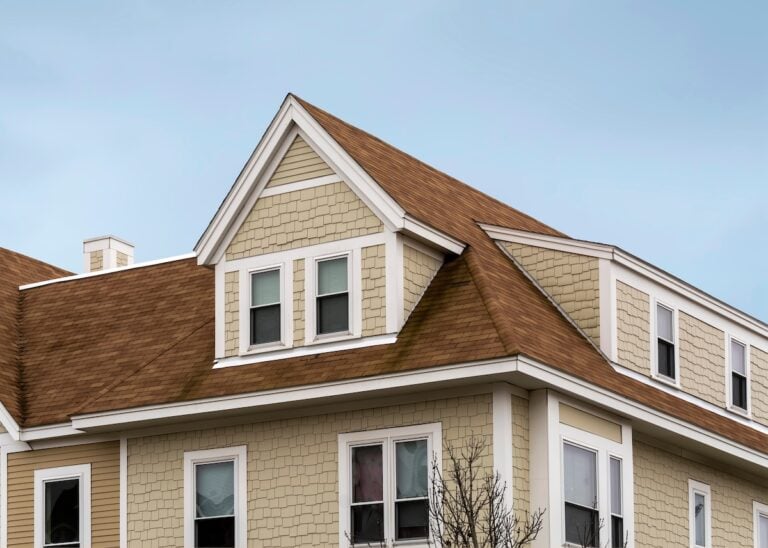
8. Dormer Roof
Usually used as a feature rather than a full roof style, dormers protrude from a sloped roof to create extra space and light.
- Adds usable headroom in attic spaces
- Boosts curb appeal and natural lighting
- Works with most main roof types like gables or hips
9. Combination Roof
Blends two or more styles for a custom appearance and better performance.
- Offers the best of multiple roofing systems
- Enhances architectural interest and functionality
- More expensive due to complex framing
What to Consider When Choosing a Roof Type
Choosing a roof shape isn’t just about looks. Here’s how to make sure your pick matches your needs.
Match It to Your Climate
- Rain & Snow: Gables, hips, and shed roofs offer good drainage.
- Windy Conditions: Hip and pyramid designs resist uplift forces better.
- Hot Summers: Flat and shed roofs support solar installations and cool roofing materials.
Think About Maintenance
- Low Maintenance: Gable and hip roofs with durable shingles or metal panels are simple to manage.
- More Upkeep: Mansard, gambrel, and flat roofs often need more inspection and care due to their shape or design complexity.
Space and Functionality
- Need Storage or Rooms? Choose a gambrel or mansard.
- Looking for Views or Outdoor Space? Go flat with a rooftop patio.
- Want a Minimal Look? Shed or butterfly roofs add style without clutter.
Material Compatibility
Some roof types pair better with specific materials:
- Metal: Ideal for steep slopes or low-maintenance homes
- Asphalt Shingle: Works on most gables, hips, and combos
- Tile/Slate: Best for mansards or Mediterranean-style homes
Roofing Types by Cost and Lifespan
Here’s how popular roof types compare when installed with common materials:
| Roof Type | Avg. Installation Cost | Typical Lifespan | Best Material Matches |
| Gable | $6,000–$12,000 | 25–50 years | Asphalt, Metal |
| Hip | $8,000–$18,000 | 30–50 years | Shingle, Tile |
| Flat | $5,000–$15,000 | 20–40 years | TPO, Rubber, Modified Bitumen |
| Shed | $3,000–$9,000 | 20–40 years | Metal, Shingle |
| Mansard | $12,000–$30,000+ | 40–60 years | Slate, Wood, Metal |
| Gambrel | $8,000–$20,000 | 30–50 years | Metal, Asphalt |
| Butterfly | $10,000–$25,000 | 25–40 years | TPO, EPDM, Metal |
| Dormer | Varies by addition | Matches main roof | Any compatible type |
| Combination | $15,000+ | Varies | Custom matched |
Popular Roof Types in Arlington and Surrounding Areas
Some roof types naturally align with the home styles found in Arlington and surrounding areas.
- Historic Homes: Gambrel and gable roofs are often seen in colonial properties
- Modern Builds: Shed, flat, and butterfly styles suit contemporary architecture
- Suburban Neighborhoods: Hip and gable roofs dominate for their balance of cost and performance
- High-End Estates: Mansard and combination roofs provide a luxury feel with expanded interior use
If you’re in the area, it’s also smart to consult professionals who understand local HOA standards, building codes, and weather patterns. A roof that looks great and performs well in another region may not hold up as effectively in Northern Virginia’s climate.
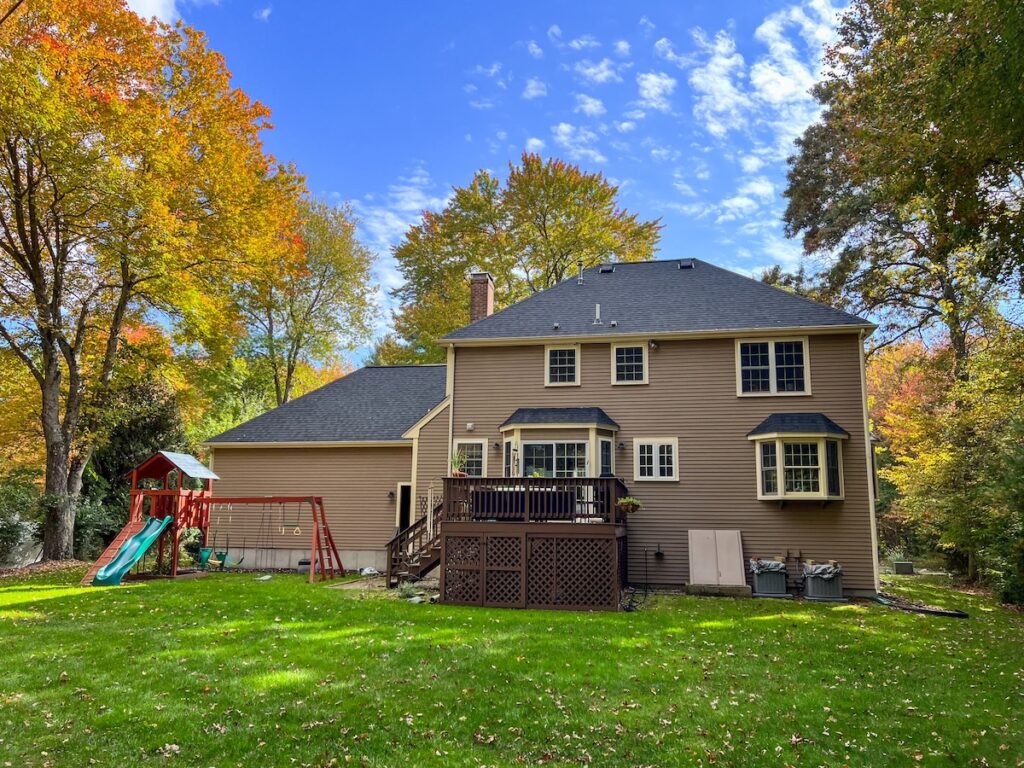
Let All Team Exteriors Help You Choose the Right Roof Type
Whether you’re replacing a roof or planning a new build, understanding your options gives you more control over the outcome. The style you choose affects everything from how your home handles weather to how much maintenance it needs in the years ahead. If you’re unsure which direction to go, our team is here to help. For expert recommendations and professional installation tailored to Arlington and surrounding areas, contact us today to speak with All Team Exteriors.

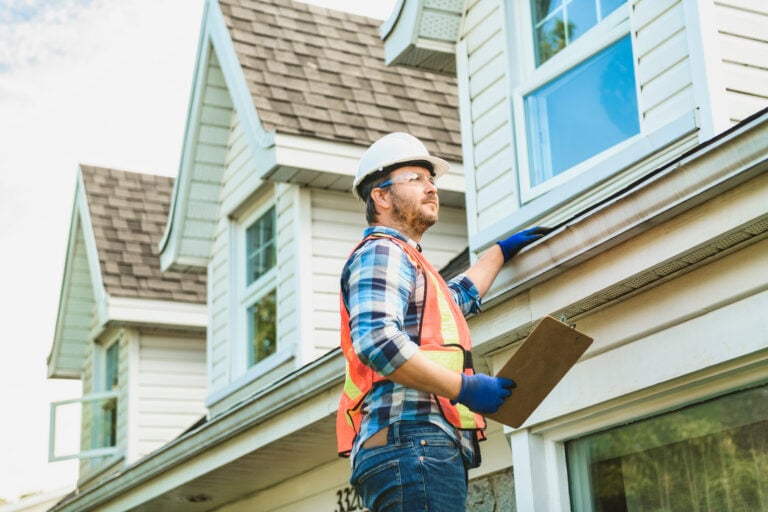
All Together. All Protected. All Team
Get Started Today
"*" indicates required fields