
Roof Leak Repair Guide (7 Reliable Fixes That Actually Work)
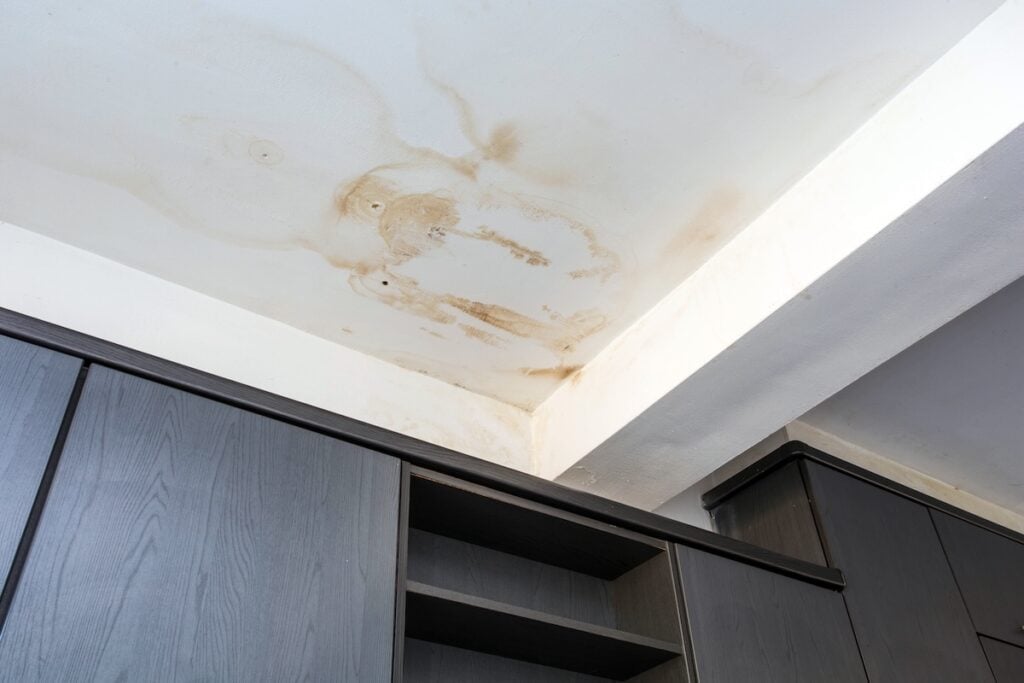
A leaking roof doesn’t just cause a drip — it invites mold, insulation damage, and structural decay. Whether the issue is sudden or slow to show, handling it quickly with the right roof leak repair strategy can make all the difference. In Arlington and surrounding areas, roof leaks are often triggered by harsh weather or aging materials. Fortunately, many common problems can be resolved without a full replacement. From simple patches to flashing upgrades, knowing your options helps you act with confidence when water starts seeping in.
- Most common causes of roof leaks and how to spot them
- 7 effective repair methods used by pros
- Materials and tools that lead to lasting results
- When to DIY and when to call a contractor
Why Roof Leaks Can’t Be Ignored
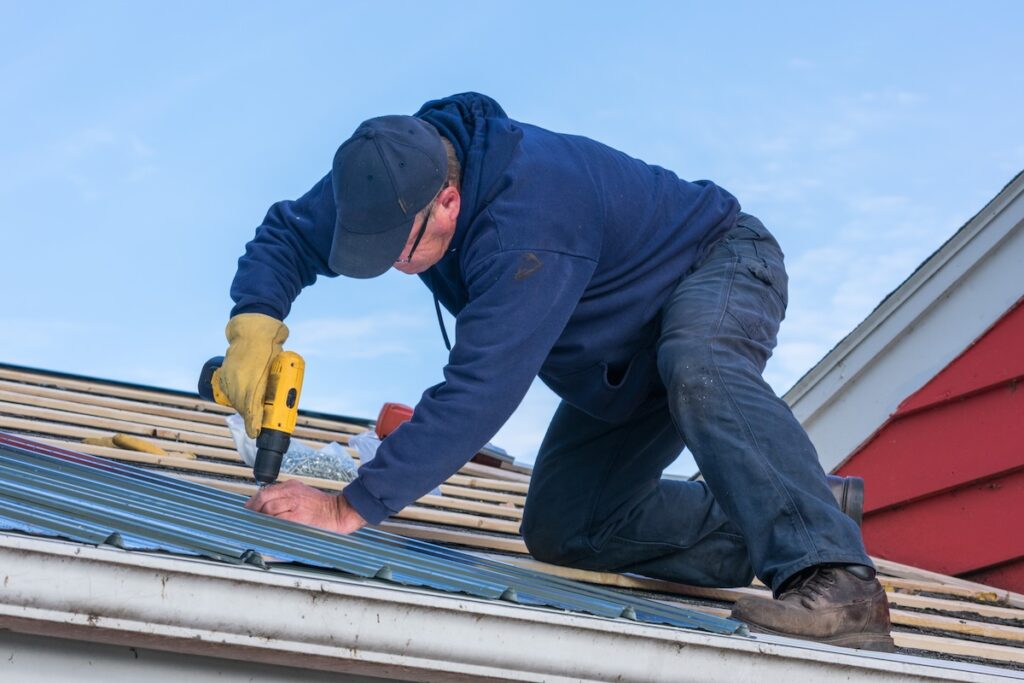
Even a small roof leak can turn into a major home issue. The longer water penetrates your roofing system, the more damage it does to your attic, ceilings, and walls.
- Leads to Mold and Mildew: Moisture trapped in insulation creates the perfect environment for spores to spread.
- Damages Structural Components: Water can rot wood framing, rafters, or drywall over time.
- Lowers Energy Efficiency: Wet insulation loses performance, causing higher utility bills.
- Reduces Property Value: Active or past roof leaks lower appraisal value and affect resale.
- Void Warranties: Many manufacturers require timely repairs to keep warranties valid.
7 Reliable Roof Leak Repair Fixes That Actually Work
Whether you’re patching a small issue or resolving ongoing leaks, these proven methods deliver long-term protection when used properly.
1. Replace Damaged Shingles
Shingles that are cracked, curling, or missing are common leak sources. Replacing them is one of the simplest, most effective repairs.
- Remove the damaged shingle carefully using a pry bar
- Slide a new shingle in place and secure with roofing nails
- Seal edges with roofing cement for a watertight finish
Best for: Isolated leaks caused by wind or hail damage
2. Reseal Flashing Around Roof Features
Flashing protects areas where the roof meets vertical surfaces like chimneys, skylights, or walls. Leaks often occur when flashing pulls away or cracks.
- Clean the area thoroughly and remove old sealant
- Apply new polyurethane or roofing sealant
- For major gaps, consider replacing metal flashing entirely
Best for: Leaks around chimneys, dormers, and vent pipes
3. Repair Roof Vents and Pipe Boots
Roof vents and pipe penetrations are common leak culprits. Cracked rubber pipe boots or loose flashing need to be replaced or resealed.
- Remove nails from old boot or vent flashing
- Slide a new boot over the pipe and fasten securely
- Caulk the base and install shingles to cover exposed areas
Best for: Slow leaks appearing in ceilings or near bathroom exhausts
4. Patch Roof Holes With Mesh and Cement
If a leak is caused by a puncture (from falling branches or foot traffic), use mesh reinforcement with roofing cement for durable patching.
- Clean and dry the damaged area
- Apply a generous layer of roofing cement
- Press mesh over the hole and apply another cement layer on top
Best for: Emergency fixes on flat or low-slope roofs
5. Fix Leaking Valleys With New Underlayment
Valleys are where two slopes meet — they handle high water volume and are prone to damage if underlayment fails.
- Carefully remove shingles from the affected valley
- Install new waterproof underlayment or ice and water shield
- Reshingle the valley using correct overlap patterns
Best for: Chronic leaks running along interior corners or slopes
6. Install Drip Edge Flashing
Water can back up under shingles near the edge of the roof if there’s no drip edge flashing. Adding it helps water run cleanly into gutters.
- Remove bottom course of shingles near the eaves
- Slide drip edge metal under the underlayment
- Nail into place and reinstall shingles with fresh adhesive
Best for: Water stains on fascia boards or mold at roofline
7. Use Roofing Tape or Sealant for Small Leaks
For temporary fixes or minor leaks, self-adhesive roofing tape or liquid rubber sealants offer a fast seal.
- Clean surface and allow it to dry fully
- Apply tape or liquid product directly over crack or seam
- Monitor after rain to confirm effectiveness
Best for: Emergency use before professional repairs
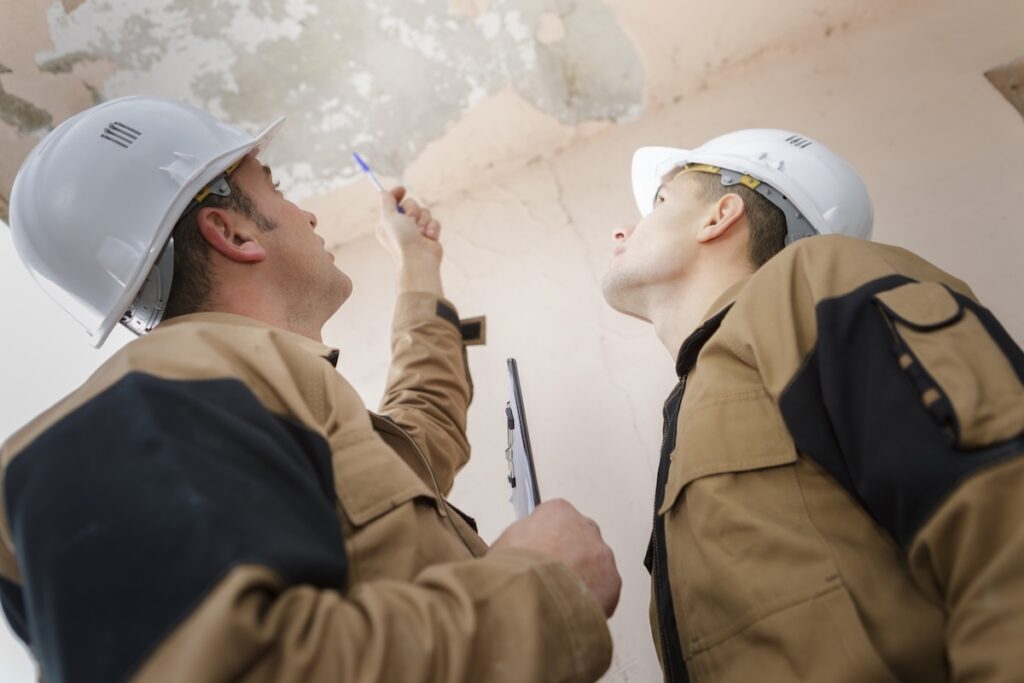
What Causes Roof Leaks in the First Place?
Roof leaks don’t always stem from visible damage. Here’s what’s typically behind the issue.
Aging Materials
- Shingles naturally degrade over time, losing flexibility and protective granules
- Flashing can rust or loosen as caulk dries out
Poor Installation
- Nails placed incorrectly can leave openings
- Flashing that’s not layered properly may leak immediately
Weather Damage
- Hail bruises shingles or knocks granules loose
- Wind lifts or tears shingles off the deck
- Heavy snow causes ice dams that force water under the shingles
Clogged Gutters
- Overflowing water can seep under shingles at the edge
- Backed-up gutters saturate fascia and soffits
Skylights and Vents
- Improperly flashed or sealed fixtures let water in
- Aging rubber seals crack and shrink over time
How to Spot a Roof Leak Early
Catching a leak before major damage occurs is the best defense. Here’s how to tell if there’s a hidden issue in your home.
| Symptom | What It Means |
| Water stains on ceiling | Leak is traveling from roof to attic |
| Peeling paint or bubbling walls | Moisture entering wall cavities |
| Dripping during rain | Active roof penetration |
| Moldy smell in attic or upper floors | Insulation may be wet |
| Shingle granules in gutters | Aging roof may be more leak-prone |
In Arlington and surrounding areas, frequent freeze-thaw cycles and storm activity make regular inspections essential, even if you don’t notice visible problems yet.
When to DIY vs. When to Call a Pro
Roof leak repair can be straightforward — but some fixes are best left to experienced professionals. Here’s how to decide.
DIY-Appropriate Repairs
- Replacing 1–2 shingles
- Sealing small cracks or vents
- Patching a minor puncture on a dry day
Make sure to follow safety precautions and use proper roofing materials.
Call a Professional If:
- The leak source is unclear
- Damage involves large areas or multiple shingles
- There’s water damage inside your home
- Your roof is steep, tall, or hard to access
- You want the repair to be covered by warranty or insurance
Professionals can also evaluate whether the leak is a symptom of a larger roofing issue, such as deteriorated underlayment or structural problems.
Roof Leak Prevention Tips for Arlington Homes
To avoid recurring leaks, especially in Arlington and surrounding areas, follow these smart habits throughout the year.
- Clean Gutters Seasonally: Keeps water moving away from the roofline
- Trim Trees Regularly: Reduces risk of punctures or clogged valleys
- Schedule Yearly Inspections: Catch problems before they lead to interior damage
- Install Ice and Water Shield: Adds leak protection under shingles in vulnerable areas
- Upgrade Aging Flashing: Replace old caulk and corroded metal
Don’t Wait on Roof Leaks — Fix Them Right the First Time
A leaking roof won’t fix itself. The longer water gets in, the more damage it causes to your attic, insulation, and structure. But with the right approach — and a professional partner — you can stop the leak fast and prevent it from returning. Whether you’re seeing signs of water intrusion or just want peace of mind after a storm in Arlington and surrounding areas, contact us today to schedule a reliable roof inspection or repair with All Team Exteriors.


All Together. All Protected. All Team
Get Started Today
"*" indicates required fields