
Types of Roof Damage (9 Signs Homeowners Miss in 2026)
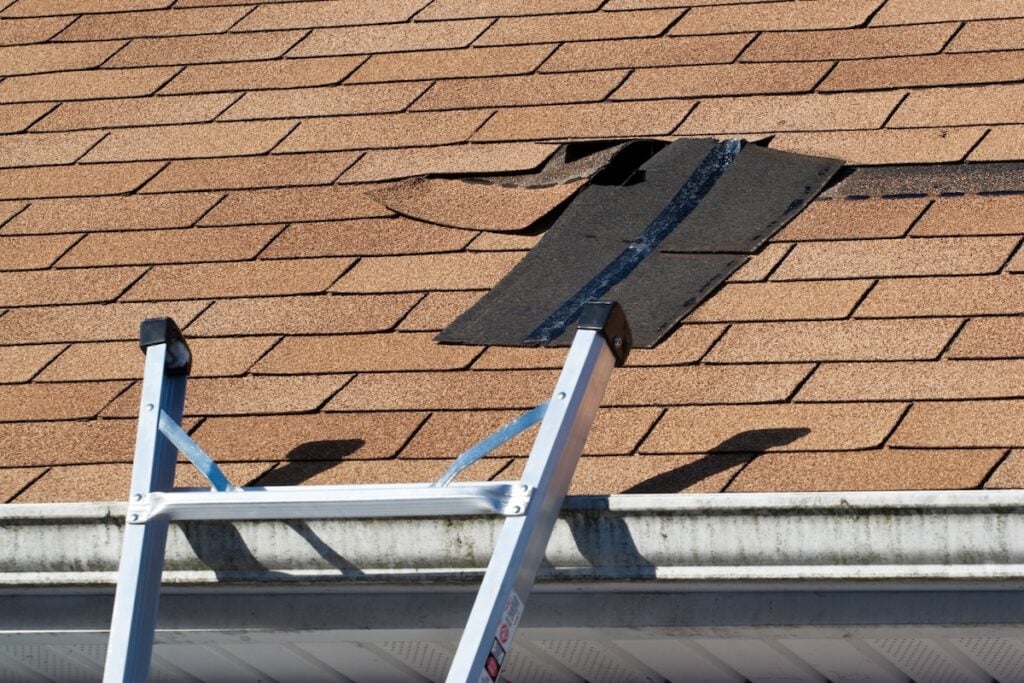
Not all roof problems announce themselves with a leak or missing shingles. Many of the most costly repairs begin as small issues that go unnoticed for months. Learning to spot the subtle types of roof damage early can save homeowners in Falls Church and surrounding areas time, money, and stress. Whether you’re dealing with seasonal storms or everyday wear and tear, understanding what to watch for is key. A routine inspection paired with expert support can prevent long-term roofing headaches and preserve your investment.
- Common forms of roof damage you may not recognize right away
- What causes different types of damage
- Visual and structural signs to monitor over time
- How to respond quickly to avoid major repairs
Why Spotting Roof Damage Early Matters
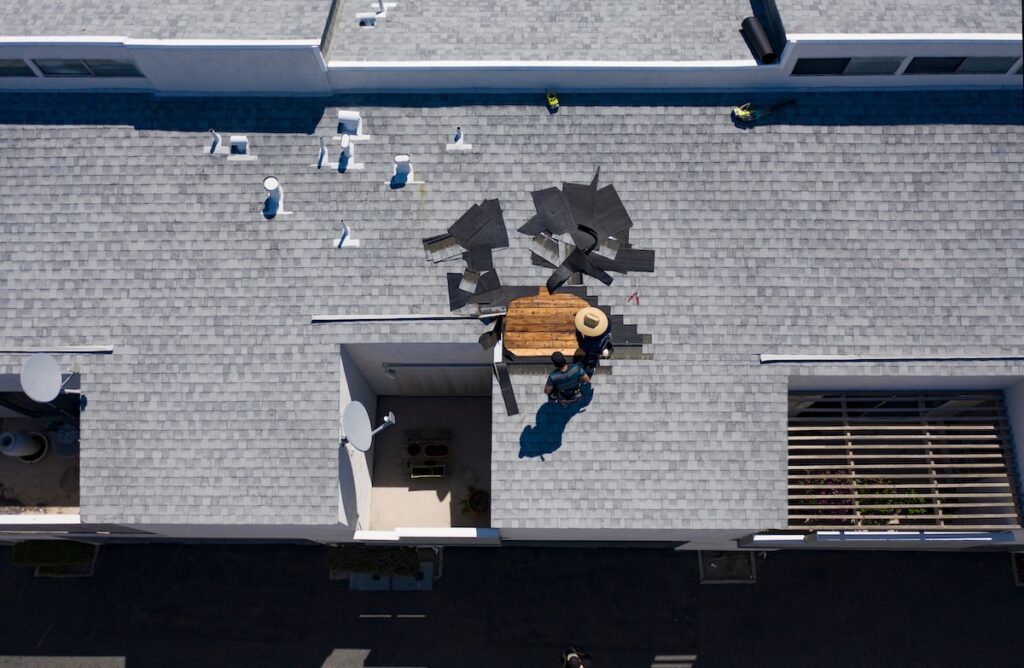
Your roof is exposed to the elements year-round. The longer damage goes unchecked, the more likely it is to spread to other parts of your home. That’s why early detection is critical.
- Prevent Expensive Repairs: Small problems, like cracked shingles or loose flashing, often lead to major leaks or structural issues if ignored.
- Protect Interior Spaces: Moisture infiltration can damage insulation, drywall, and ceilings before the roof even leaks visibly.
- Extend Roof Lifespan: Prompt maintenance helps roofs last longer and perform better.
- Improve Energy Efficiency: A compromised roof allows air to escape, forcing HVAC systems to work harder.
- Support Insurance Claims: Documenting early damage helps with storm-related claims if issues escalate later.
9 Signs of Roof Damage Homeowners Often Miss
Many forms of damage aren’t visible from the curb. Here’s what to look for when evaluating your roof’s condition.
1. Curling or Buckling Shingles
This often starts subtly. Shingles that curl at the edges or buckle in the middle may look like minor warping, but they signal deeper issues.
- Caused by aging, improper installation, or poor ventilation
- Reduces your roof’s ability to shed water properly
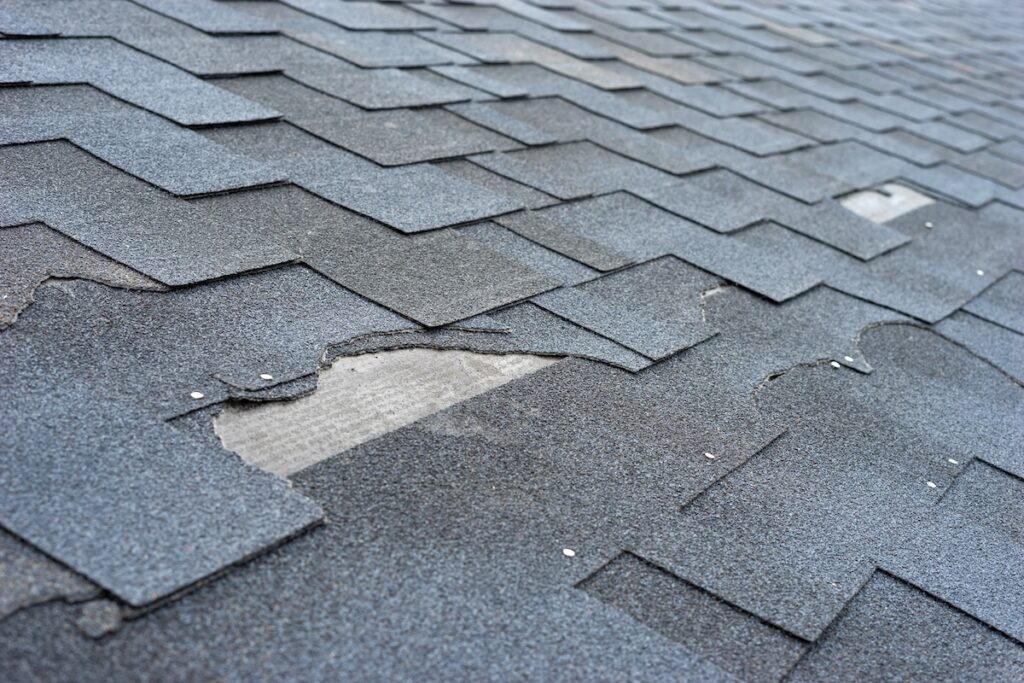
2. Granule Loss
Granules are the small, sand-like particles on asphalt shingles. Over time, they wear off, leaving bald patches.
- Check for granules in gutters or at the base of downspouts
- Accelerates UV damage and shortens shingle life
3. Damaged Flashing
Flashing seals roof edges and features like chimneys or skylights. When it loosens or corrodes, water can seep in.
- Watch for rust, cracks, or gaps around flashing areas
- Common source of leaks in Falls Church and surrounding areas
4. Water Stains on Ceilings or Walls
Brown or yellow spots on interior ceilings often mean water is entering from above, even if it hasn’t formed a drip yet.
- Indicates ongoing moisture penetration
- May lead to mold, insulation damage, and rot
5. Sagging Roof Deck
If your roofline appears uneven or wavy, the underlying decking might be weakened by moisture.
- Caused by trapped water or poor ventilation
- Needs prompt structural assessment
6. Cracked or Missing Shingles
This might seem obvious, but shingles can be dislodged by wind or degrade slowly from sunlight.
- Missing shingles expose underlayment to direct weather
- Cracked shingles create small entry points for water
7. Algae or Moss Growth
While often considered cosmetic, moss and algae trap moisture against the shingles.
- Contributes to shingle decay over time
- More common in shaded areas or on north-facing slopes
8. Blocked or Bent Gutters
Your gutters are part of your roof system. If they’re bent or blocked, water backs up onto the roof.
- Leads to ice dams in colder months
- Causes wood rot at the eaves or fascia
9. Damaged Soffits and Fascia
These areas sit just below the roof edge. When moisture penetrates the roofline, these parts are often the first to show visible damage.
- Look for peeling paint, soft wood, or pest activity
- Can also affect attic ventilation and moisture levels
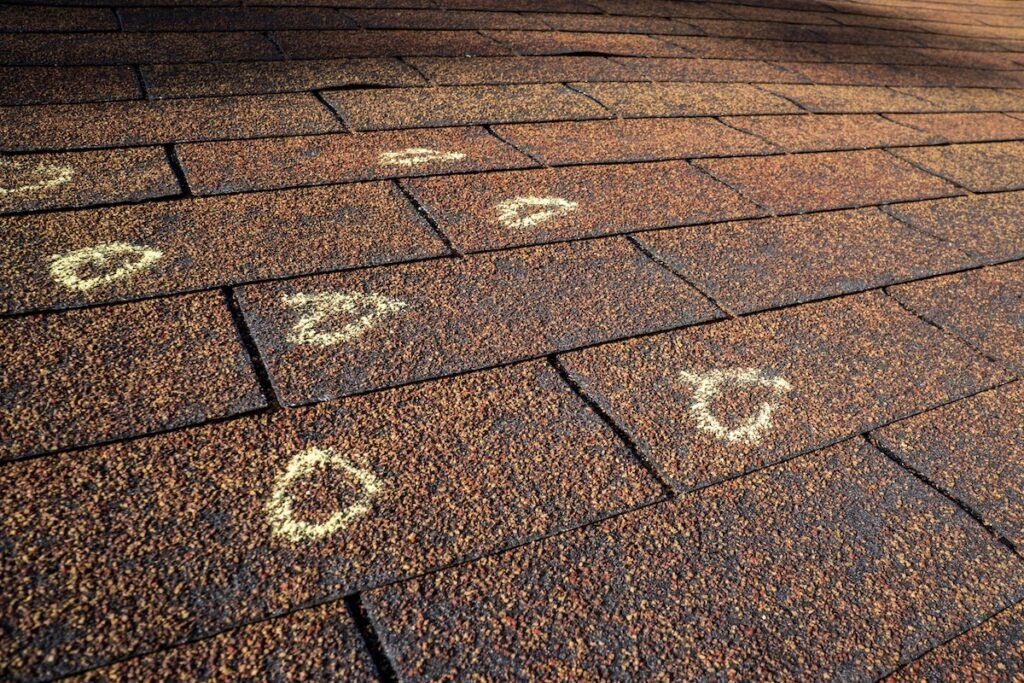
What Causes Different Types of Roof Damage?
Understanding the source of roof damage helps you prevent it. Most issues fall into one of the categories below.
Weather Exposure
- Wind: Can lift or remove shingles and loosen flashing
- Rain: Leads to moisture intrusion when protective layers are compromised
- Hail: Bruises or dents shingles, shortening their lifespan
- Snow and Ice: Causes freeze-thaw damage and ice dams
Poor Installation
Even the best materials can fail when not installed correctly. This includes:
- Improper nailing techniques
- Misaligned shingles
- Inadequate ventilation
Age and Wear
Roofs have a lifespan. As materials age, they naturally degrade.
- Asphalt shingles: 20–30 years
- Metal: 40–70 years
- Tile or slate: 50+ years
Tree and Debris Impact
Falling branches or debris accumulation can:
- Puncture the roof surface
- Trap moisture that leads to rot
- Encourage moss growth
Wildlife and Insects
Animals often look for warmth and shelter.
- Birds and squirrels may nest in vents or under eaves
- Insects like carpenter ants and termites target damp wood
Visual Clues vs. Hidden Damage
Some damage is easy to spot, while other issues lurk beneath the surface. Here’s how they compare.
| Damage Type | Visible Signs | Hidden Risks |
| Curling Shingles | Warped edges or wavy patterns | Reduced water shedding ability |
| Water Stains | Brown ceiling spots | Mold, rot, or insulation damage |
| Moss Growth | Green patches on shingles | Trapped moisture, shingle rot |
| Flashing Gaps | Exposed metal or sealant | Leak entry points around features |
| Sagging Decking | Uneven or dipping roof lines | Structural weakening |
If you’re unsure what you’re seeing, scheduling a roof inspection is the best next step. Falls Church and surrounding areas often experience seasonal weather shifts that create the perfect conditions for gradual wear and tear.
How to Prevent Roof Damage Before It Starts
Being proactive can extend the life of your roof and reduce the risk of emergencies.
Schedule Annual Inspections
- Have a professional assess your roof every year, ideally in spring or fall
- Catch issues early before they worsen
Clean Gutters Regularly
- Clear out leaves and debris to maintain proper water flow
- Prevent ice dams and fascia rot in winter
Trim Nearby Trees
- Cut branches that hang over the roof
- Reduce risk of impact damage or constant shade
Install Proper Ventilation
- Ventilation keeps the attic dry and cool
- Prevents mold, ice damming, and overheating
Respond Quickly to Storm Damage
- After major weather events, check for visible changes
- Use photos and notes to document damage for insurance if needed
Roof Damage in Falls Church and Surrounding Areas
Weather in Falls Church and surrounding areas can be unpredictable, especially during seasonal transitions. Storms bring strong wind, heavy rain, and the occasional hail burst — all of which contribute to hidden roof damage. Homeowners should pay close attention after:
- Sudden temperature drops
- Wind gusts over 40 mph
- Long periods of damp, overcast weather
Older roofs in this area are particularly vulnerable to moisture intrusion, moss growth, and flashing damage. Whether you live in a historic property or a newer build, it’s worth getting a professional opinion when something feels off.
Protect Your Home by Acting on the Signs of Roof Damage
Roof problems rarely fix themselves. What starts as a small issue can become a full-blown leak or structural concern if left unchecked. By learning how to spot the various types of roof damage — and understanding what causes them — you can take steps to protect your investment. If your home in Falls Church and surrounding areas is showing signs of wear or you haven’t had a roof inspection recently, contact us today to schedule an expert assessment with All Team Exteriors.



All Together. All Protected. All Team
Get Started Today
"*" indicates required fields